The short answer
Don't want all the details? Here are our picks for anyone starting out in birdwatching. They're all 8x42 binoculars, the size that works best for beginners almost every time.
Our best buy: Vortex Diamondback HD 8x42 (around €259)
Sharp and bright, widely available and backed by an unconditional lifetime warranty. This is what most people will be happy with for years. Tighter budget? The Bresser Condor 8x42 (around €149). Want a real step up with proper ED glass? The Nikon Monarch M7 (around €479).
Why 8x42 for beginners?
Binoculars carry two numbers, for example 8x42. The 8 is the magnification (8 times closer), the 42 is the diameter of the large lenses in millimetres (how much light they gather). Nearly every experienced birder and organisation, from the RSPB to Cornell Lab in the US, gives beginners the same advice: start with 8x42.
There are three reasons for this:
- A wider view. At 8x magnification you see a larger slice of the world at once. That means you find a bird faster and follow it more easily as it flies off or hops through the bushes.
- A steadier view. The higher the magnification, the more your own hand shake shows. A 10x view magnifies that shake roughly a quarter more than an 8x view. Handheld, 8x42 feels noticeably steadier.
- Brighter in low light. 8x42 gives a larger exit pupil, the beam of light that reaches your eye. That makes the image brighter in woodland and early morning, exactly when birds are most active.
An 8x magnification with a 42 mm lens is ideal for beginners.Common advice from birding organisations across Europe
8x42 or 10x42: which one?
This is the question beginners ask most often. In short: choose 8x42 if you mainly watch in the garden, woodland or park, and want a steady handheld image. Choose 10x42 only if you're often in open terrain (estuaries, mudflats, coast, large lakes), watching birds that sit far away and still, and you have a steady hand or use a support. 10x shows more detail, but you pay for it with a narrower view, more visible shake and a slightly darker image. For most people starting out, 8x42 is the more comfortable choice. Still unsure? Read the full comparison in 8x42 vs 10x42 for birding.
Wearing glasses
Wear glasses? Then pay attention to eye relief: at least around 14 mm, with twist-down eyecups. That way you see the full image while wearing glasses, without black edges. All the binoculars in this guide suit glasses wearers. What exactly to check, from eyecups to dioptre, is in our guide to binoculars for glasses wearers.
What about kids?
Kids benefit from lighter binoculars (shake is more noticeable in small hands), a short close-focus distance (garden birds are close by) and a model that can take a knock. A light 8x32 or an affordable 8x42 such as the Bresser Condor works well. Don't start too expensive: it's about fun and ease, not perfect glass. Ages, sizes and pitfalls are in our separate guide to the best binoculars for kids.
Which specifications actually matter?
You don't need to become an expert, but these points decide whether binoculars feel good to use. Keep them side by side when comparing.
| Specification | What it means | Guideline for beginners |
|---|---|---|
| Magnification | How many times closer | 8x (steady and wide) |
| Objective (mm) | Light gathering; bigger is brighter | 42 mm all-round, 32 mm lighter |
| Field of view | Width of the image at 1,000 m | at least 120 m, ideally 135 m+ |
| Close focus | Shortest focusing distance | under 2 metres (great for garden birds) |
| Weight | Comfort during long sessions | under roughly 700 g |
| Waterproof | Essential in a European climate | nitrogen-filled and waterproof |
| Glasses wearers | Adjustable eyecups | eye relief at least 14 mm |
Roof prism or porro prism?
Most modern binoculars are compact roof-prism models. At the lowest price point, an old-style porro-prism pair sometimes gives a sharper image for the money (such as the Nikon Aculon), but for garden and field use a roof-prism pair is a fine choice.
Our picks by budget
We've compared the most popular binoculars for birders side by side. A clear pick for every budget, plus a comparable alternative, with honest pros and cons.
Pros
- Very affordable entry point
- Waterproof and solidly built
- Light enough for long walks
Cons
- Image less sharp than ED models
- Shorter warranty than the rest
Pros
- Sharp, contrast-rich image for the price
- Unconditional lifetime warranty, even for accidents
- Widely available across Europe
Cons
- HD glass, not full ED like the pricier class
- Standard model; if you want more, look at the Nikon below
Pros
- Very close focus (1.2 m), great for garden birds
- Long eye relief (18 mm), comfortable with glasses
- 25-year warranty
Cons
- No ED glass (though coatings are good)
- Available from fewer retailers than the others
Pros
- Full ED glass: sharper and truer colours
- Wide field of view, great for following birds
- Strong reputation and a frequent class leader
Cons
- Pricier than the picks above
- Slightly less close focus (2.5 m) than the Vortex and Eden
What about premium binoculars?
Swarovski, Zeiss, Leica and Kowa make stunning binoculars from €1,200 to €3,000 that last a lifetime. Beautiful, but not necessary for a beginner. Start with one of the picks above, and only step up once you're sure the hobby is sticking.
Binoculars for every situation
The best binoculars depend on where you watch birds. Three common settings:
Garden and park
Here you watch up close (1 to 20 metres). What matters: close focus (under 2 metres), light weight and a stable image. 8x42 is ideal here.
Woodland and scrub
Birds move fast and you have little time to search. You want a wide field of view and a light pair that focuses quickly. Again, 8x42 wins.
Estuary, mudflats and coast
Open water, long distances and long sessions, sometimes with a support. This is where 10x42 can shine: more magnification for detail, while your hand stays steady because you're standing still. Want to go even closer? Then a spotting scope is your next step.
Care: how to make your binoculars last for years
A well-cared-for pair of binoculars lasts ten years or longer. The key habits:
- Cleaning: blow away sand and dust first, then wipe the lenses with a clean microfibre cloth. Never use a paper tissue or your T-shirt, as this scratches the glass.
- Storage: dry and dark, with the lens caps on. A silica gel sachet keeps moisture away.
- Warranty: keep your receipt. The Eden XP carries a 25-year warranty, Vortex even offers a lifetime one. Cover usually applies to manufacturing faults, not accidental damage.
Binoculars or a spotting scope?
Always start with binoculars. A spotting scope is an addition, not a replacement: useful if you often watch birds at long range in open terrain, from a fixed spot. For woodland, gardens and birds in flight, binoculars are always more practical. Read on in our spotting scope buying guide.
Frequently asked questions
What are the best binoculars for a birdwatching beginner?
8x42 or 10x42, which is better?
How much should I spend on my first binoculars?
Do binoculars work if you wear glasses?
How we make these picks
Our picks are based on advice from experienced birders and birding organisations across Europe and North America, on the specifications that matter in the field, and on current prices and availability at major European retailers. We choose based on usefulness for beginners, not the size of any affiliate commission. Indicative prices vary per store and moment; we update this guide regularly.
Where to go next
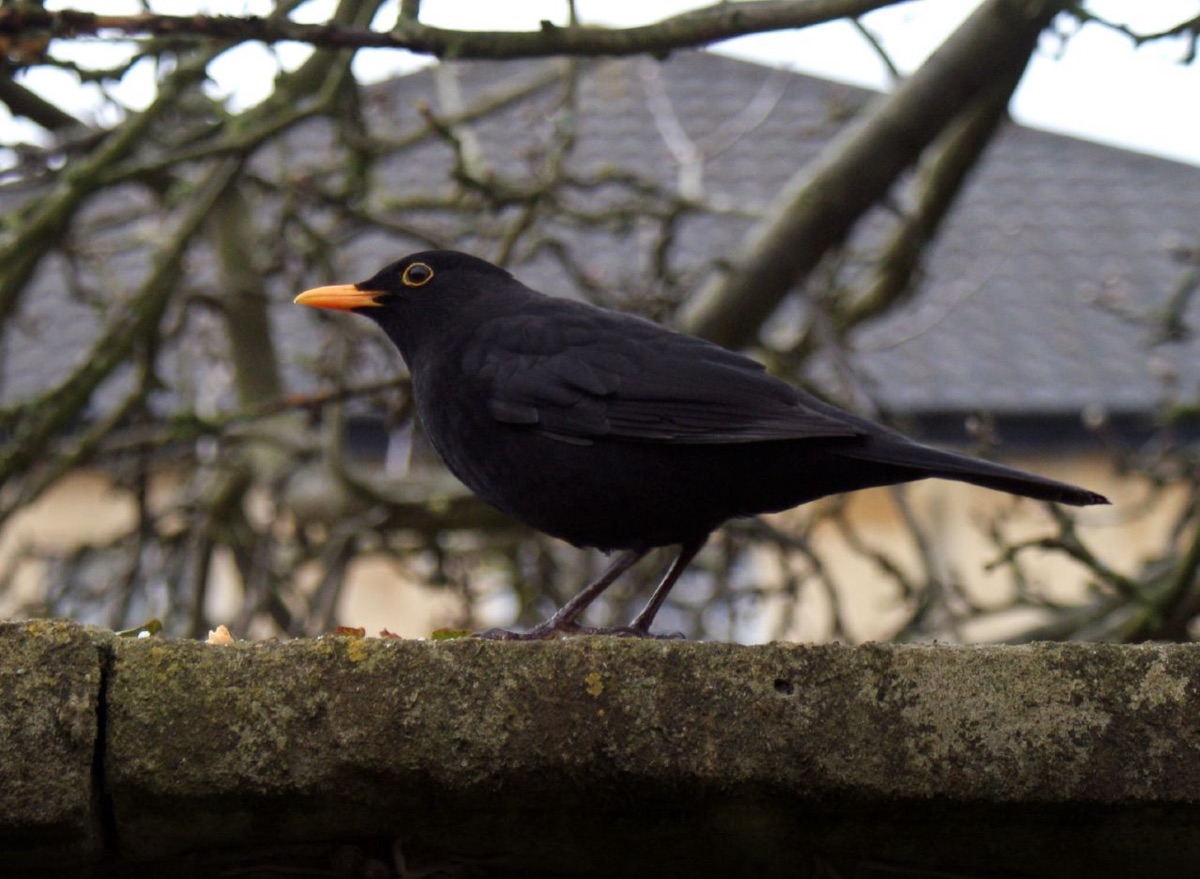 Field guides
Which field guide suits you?
The best guides to help you identify birds at home.
Read more →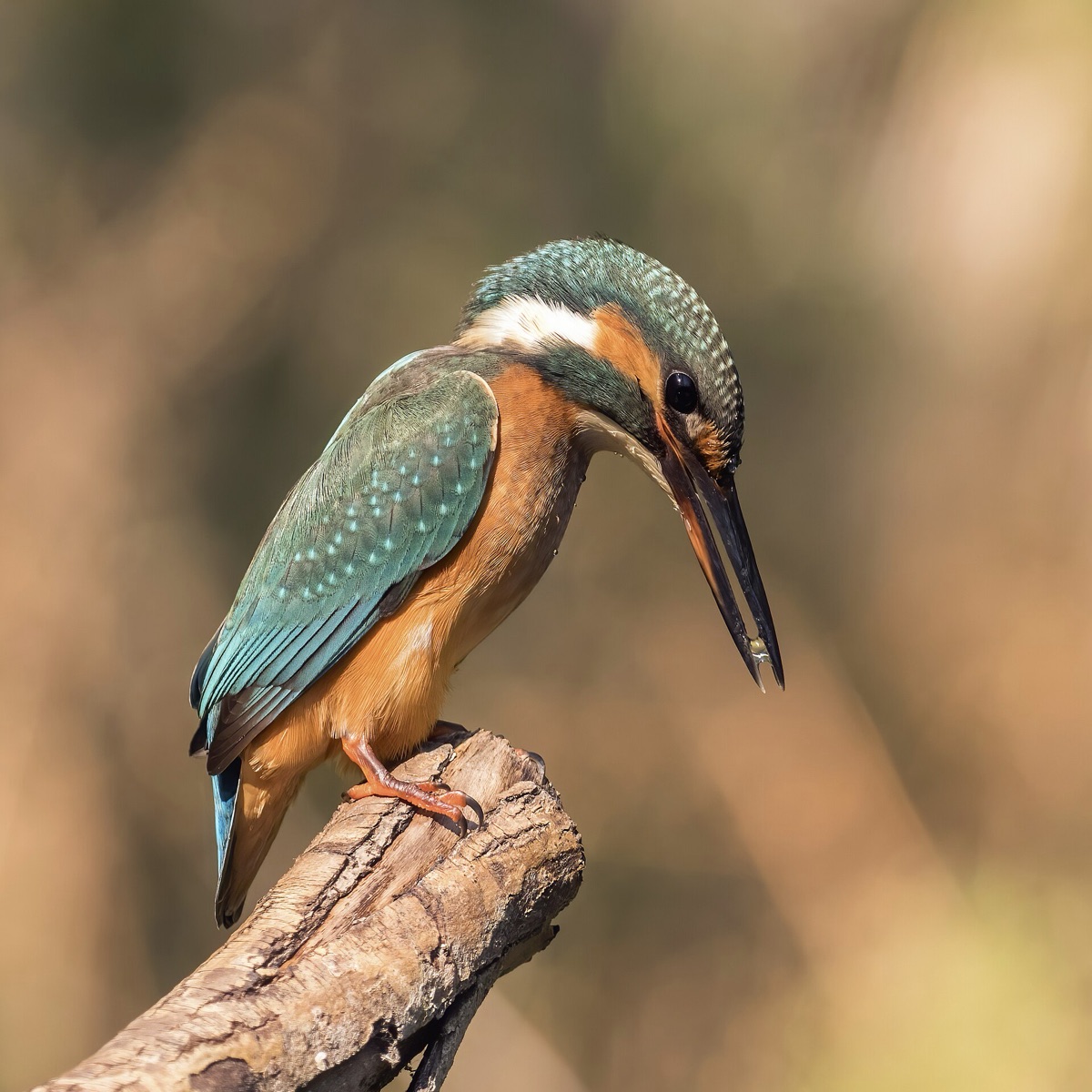 Identification
Identify birds with your phone
Free apps Merlin and ObsIdentify compared.
Read more →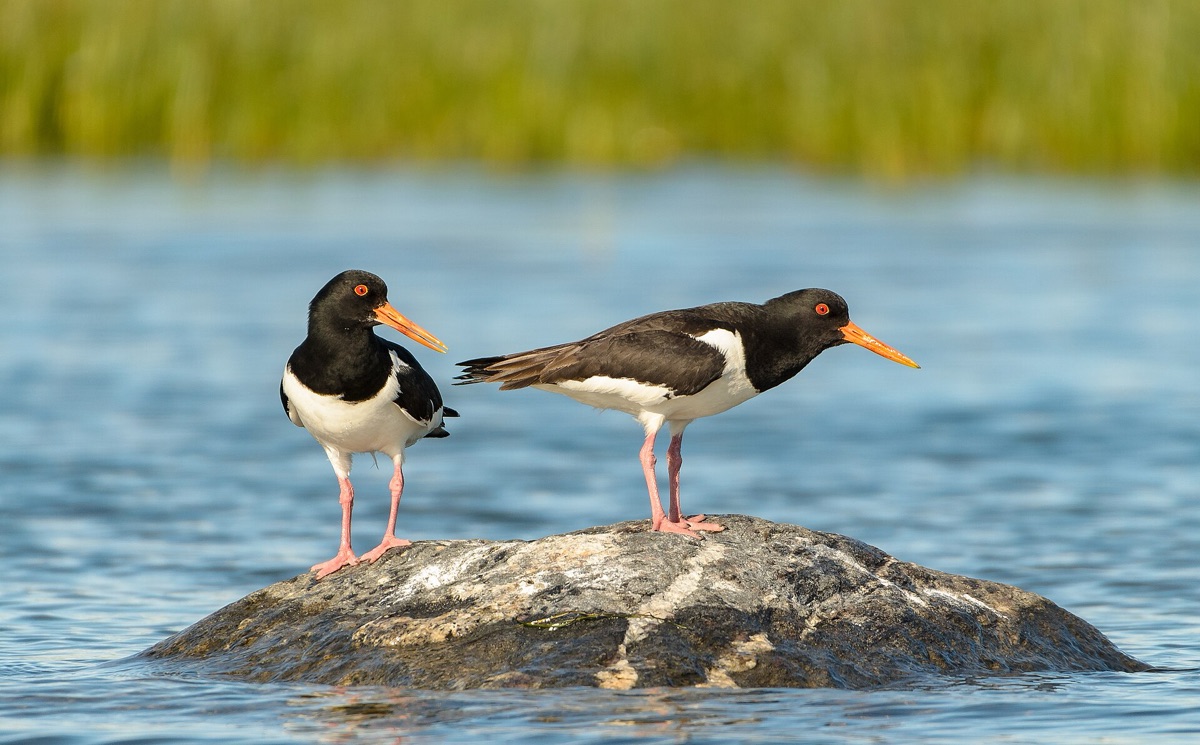 Spotting scopes
Do you need a spotting scope?
When a scope is worth it, and when it isn't.
Read more →